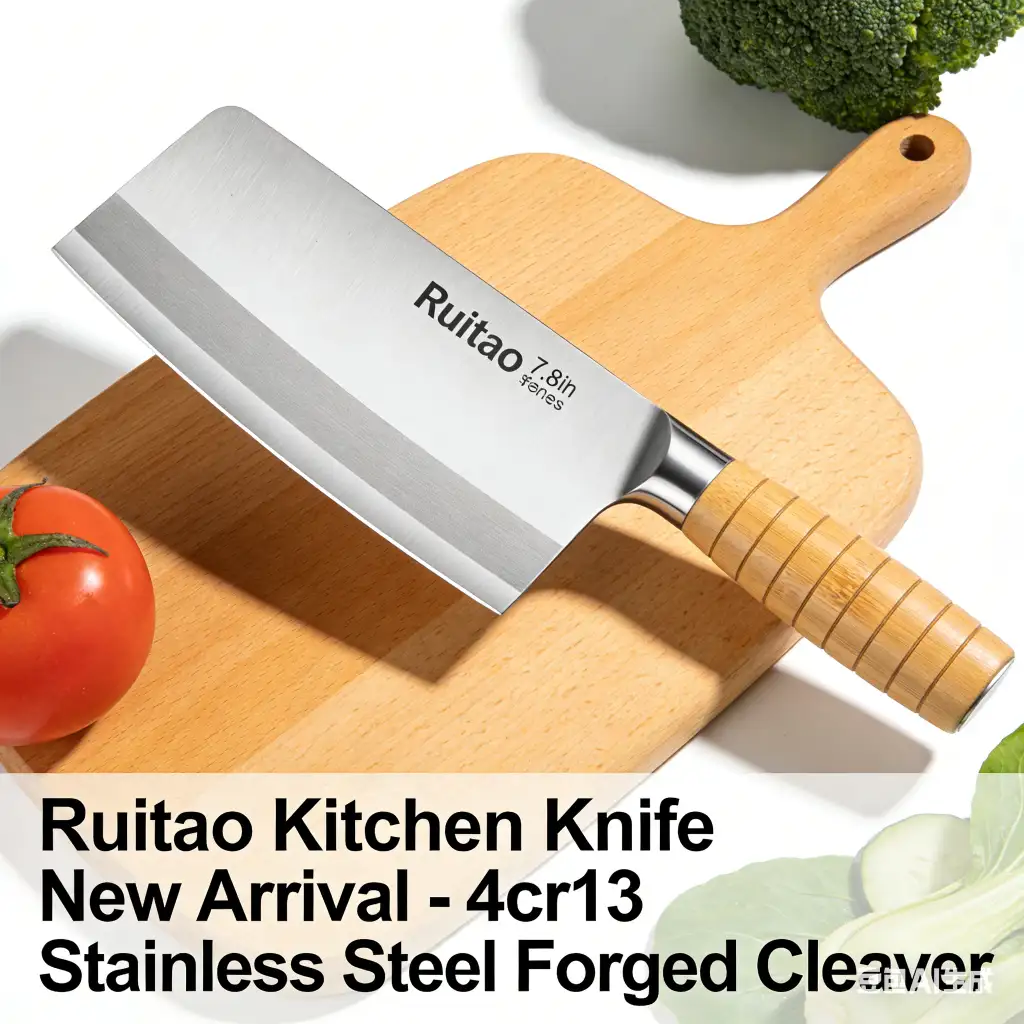
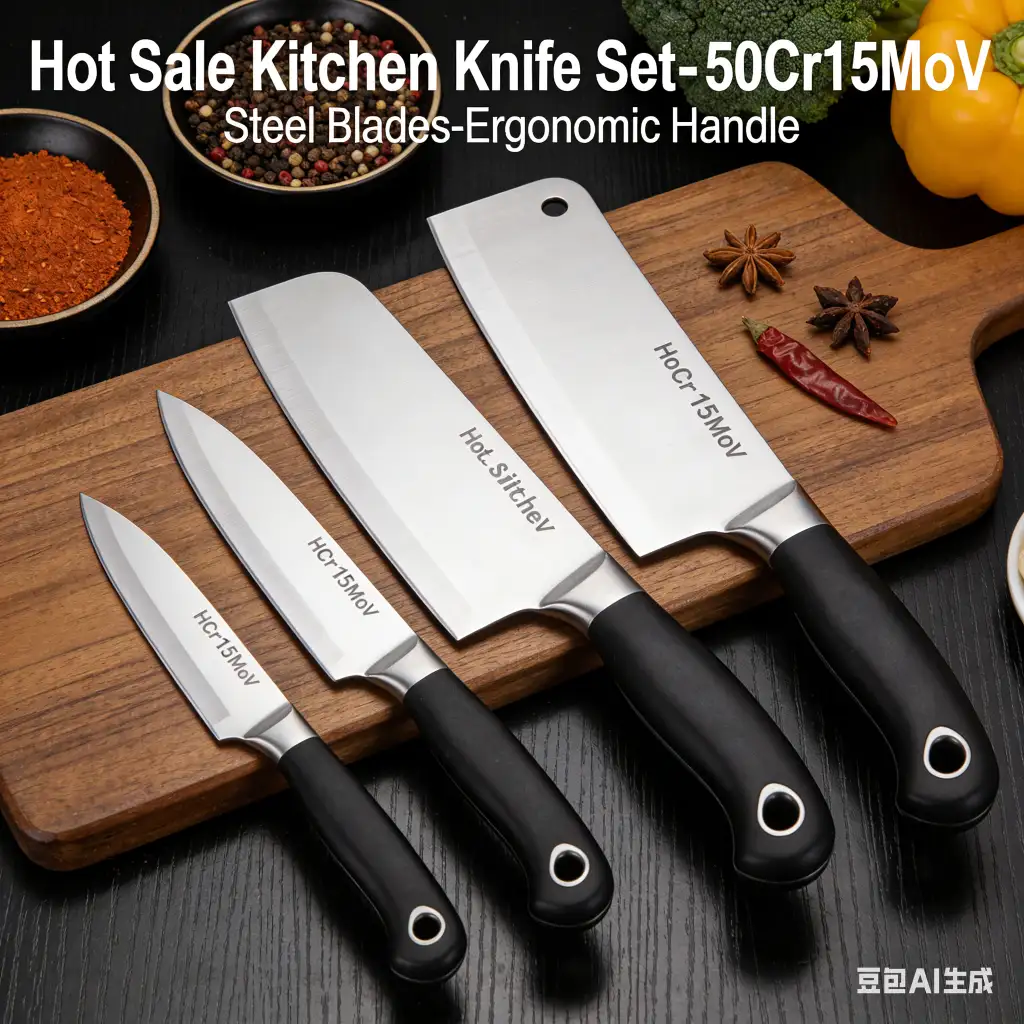
Product Features
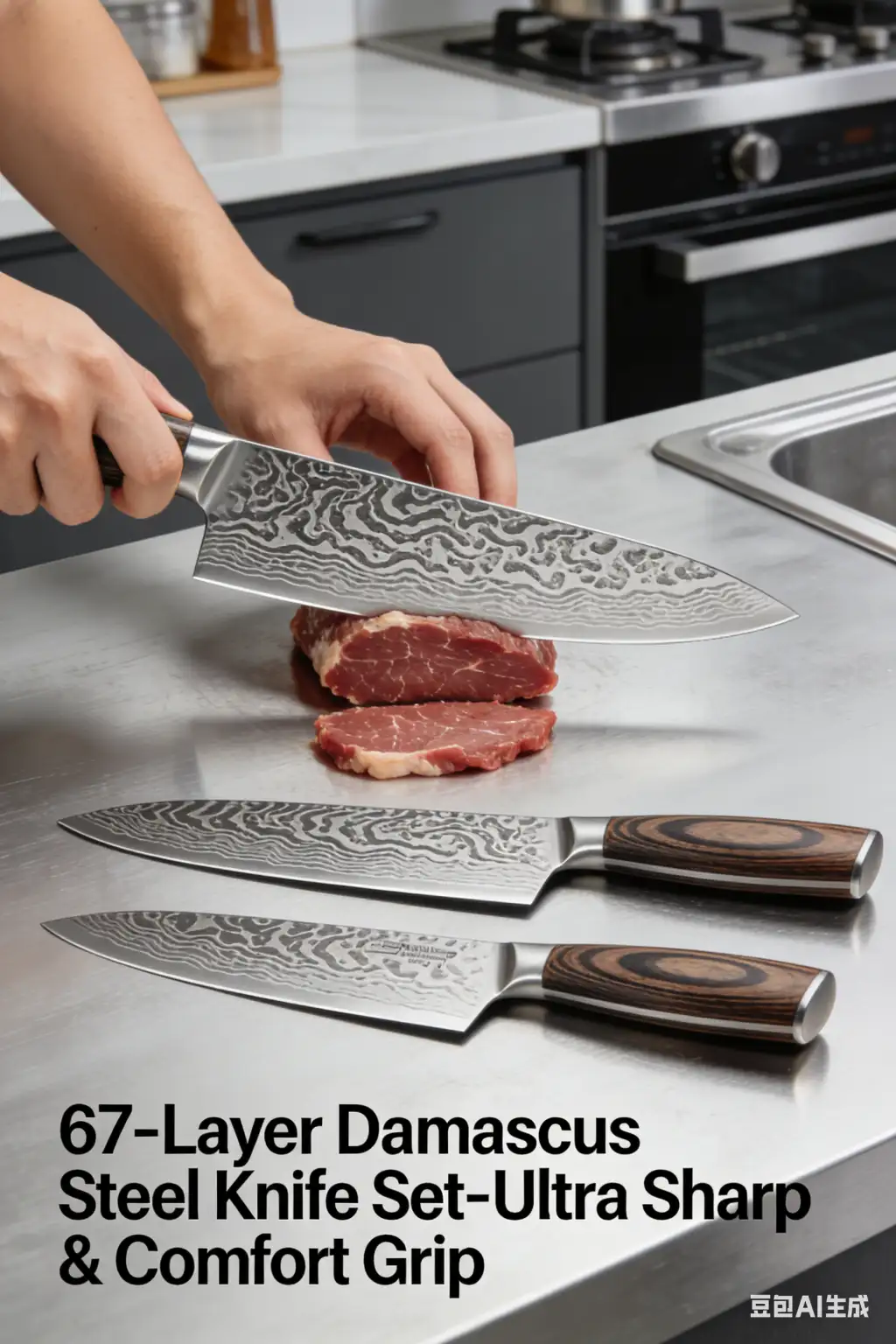
- 4Cr13 / 50Cr15MoV / Damascus steel blade
- Hand-forged, ultra sharp edge
- Ergonomic non-slip handle
- Balanced weight for precise cutting
Specifications
-
Blade length: 7.8 inch
-
Material: Stainless steel / Damascus steel
-
Handle: Bamboo / G10 / Wood
-
Application: Home & Commercial kitchens
Applications
-
Professional chefs
-
Butcher shops
-
Restaurants
-
Home cooking enthusiasts
How to Choose a Damascus Steel Kitchen Knife
To choose a Damascus steel kitchen knife, focus on the core steel quality, not just the pattern. Look for a high-carbon or stainless Damascus blade with good hardness (around 58–62 HRC) for sharpness and durability. Check handle ergonomics, balance, and intended use (chef, cleaver, or utility) to ensure comfort and performance.
Forged Cleaver vs Stamped Knife: Which Is Better?
A forged cleaver is made from a single piece of heated steel, offering superior strength, balance, and edge retention—ideal for heavy chopping and professional use. A stamped knife is cut from a steel sheet, lighter and more affordable, but generally less durable and harder to sharpen. For long-term performance and heavy kitchen tasks, forged cleavers are better, while stamped knives suit casual home cooks.
Best Kitchen Knives for Home & Restaurant Use
The best kitchen knives for home and restaurant use combine durability, edge retention, and comfort. Look for high-quality materials like Damascus or high-carbon stainless steel, ergonomic handles for all-day use, and a balanced feel. Essential types include chef’s knives, cleavers, utility knives, and paring knives. Professional chefs often prefer forged knives, while home cooks benefit from versatile, easy-maintain models.