wood burning stove fireplace Hot Sale USA
Issacindustry
Wood Stove vs. Wood Burning Stove vs. Fireplace: Which Heating Solution Is Right for You?
When it comes to heating your home with natural, renewable fuel, few options rival the charm and efficiency of wood-fueled systems. Among the most searched terms on Google Trends—wood stove, wood burning stove, fireplace, wood stoves, and woodstove—each represents a distinct approach to home heating, ambiance, and sustainability. But what’s the real difference between them, and which one best suits your needs?
Understanding the Terminology
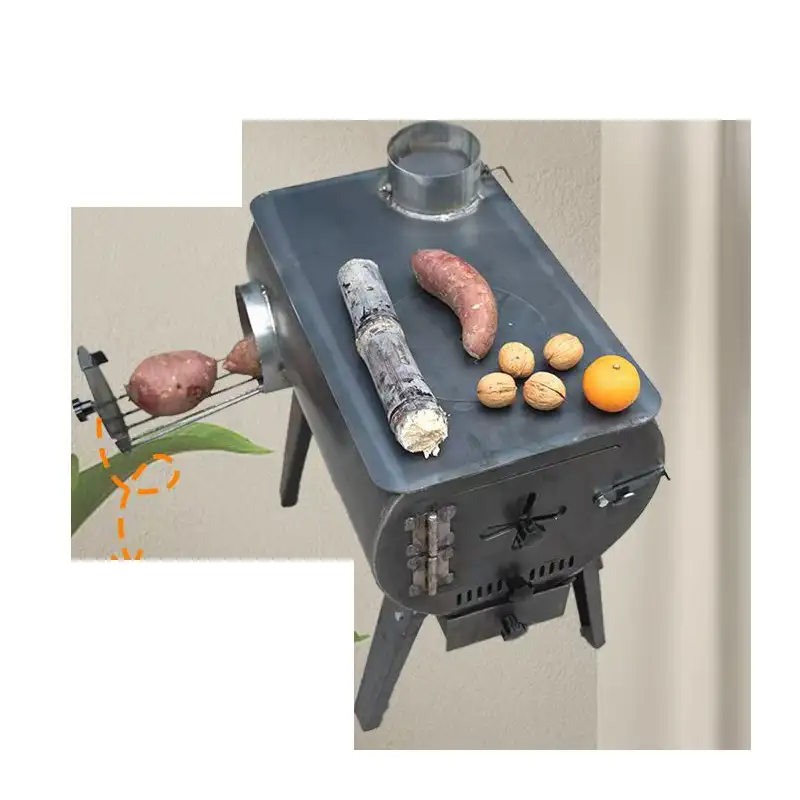
First, let’s clarify the terms. “Wood stove” and “woodstove” are often used interchangeably; both refer to a freestanding appliance designed specifically to burn wood for heat. The hyphenated version, “wood-burning stove,” is simply a more descriptive phrasing but means the same thing. These stoves are typically made of cast iron or steel and feature controlled airflow systems that maximize combustion efficiency.
On the other hand, a fireplace is a built-in structure—often part of a home’s original architecture—that allows for open wood fires. While traditional fireplaces offer unmatched aesthetic appeal, they are generally less efficient than modern wood stoves because much of the heat escapes up the chimney.
Efficiency and Environmental Impact
If you’re prioritizing energy efficiency, a wood burning stove is your best bet. Modern EPA-certified models can achieve efficiencies of 70–80%, compared to just 10–20% for traditional open fireplaces. This means more heat stays in your living space, reducing your reliance on central heating and lowering utility bills.
Moreover, today’s wood stoves emit significantly fewer particulates thanks to advanced secondary combustion technology. For eco-conscious homeowners, choosing a certified woodstove not only reduces your carbon footprint but also supports sustainable forestry practices when using responsibly sourced firewood.
Installation and Space Considerations
Fireplaces require a chimney and are usually installed during home construction or as major renovations. Retrofitting a fireplace into an existing home can be costly and complex. In contrast, wood stoves are far more flexible. Many models can be vented through a wall or existing chimney with proper liners, making them ideal for cabins, tiny homes, or even urban apartments (where local codes permit).
For those searching “wood stoves” online, portability and modular design are common selling points. Some compact units weigh under 100 pounds and can be moved seasonally or between properties—perfect for weekend retreats or off-grid living.
Aesthetic and Lifestyle Appeal
There’s no denying the romantic allure of a crackling fireplace. It serves as a natural focal point in any room and evokes cozy winter evenings. However, if practicality matters more than nostalgia, a sleek wood burning stove offers similar warmth with better performance. Contemporary designs range from rustic cast iron to minimalist black steel, blending seamlessly with modern interiors.
Interestingly, Google Trends data shows consistent global interest in all five keywords, with spikes during colder months. Regions like Scandinavia, Canada, and the northern U.S. show particularly high search volumes—reflecting both climate needs and cultural preferences for wood heat.
Final Thoughts: Choose Based on Your Priorities
- Want maximum heat output and fuel efficiency? Go for a certified wood stove or wood burning stove.
- Crave ambiance and architectural charm? A traditional fireplace may be worth the trade-off in efficiency.
- Need flexibility and easy installation? Look into compact woodstoves with modern emissions controls.
No matter which term you search—wood stove, wood burning stove, fireplace, wood stoves, or woodstove—you’re exploring a timeless, renewable way to warm your home. By understanding the differences, you can make an informed decision that balances comfort, cost, and environmental responsibility.
As energy prices rise and sustainability becomes increasingly important, wood-fueled heating isn’t just nostalgic—it’s smart.